🎮
apps & games
the generation engine that turns a prompt into a working app — early, and being folded into what's next.
earlystop trading your time for money. give the order and an ai agent does the work for you — builds it, ships it, runs it — while you kick back in the hammock. 🤖🌴 right now, greatlibrary.ai is an early experiment — rough, far from mature, and changing by the day. we've barely scratched what it'll become. if this already excites you, you'll be shocked at what's next.
a glimpse of what's coming, illustrated. the dashboard numbers here are imagined — every count on greatlibrary.ai is real, always.
you give the order, your ai does the work. this is the map we're experimenting toward — greatlibrary.ai is pre-agi and early, so treat all of it as in-progress. real where it's real; nothing here is faked.
the generation engine that turns a prompt into a working app — early, and being folded into what's next.
earlylanding pages, microsites, tools — shipped on command.
earlycalculators, widgets, mini-utilities — built the moment you ask.
earlyeverything the engine makes can be built on and remixed.
earlyorder a video — your agent makes it and posts it for you.
cominggames with ads baked in, earning while people play.
comingname a revenue goal; your agent works toward a real, measurable outcome.
comingyour accounts, ad networks, the whole web — wired into one hub.
comingnone of this is finished — greatlibrary.ai is an early, pre-agi experiment and we've barely scratched what it'll be. we're building it in public, one rough step at a time. no vaporware: every count and number on greatlibrary.ai is real, always. when it says it earned, it earned.
GreatLibrary.ai didn't start as an autonomous engine — it was an ebook generator, then a library, cover tools, a personal Guardian experiment, a string of side projects. each one taught the same lesson: generating something once isn't enough. where we are now is an early experiment — rough and far from mature, not the destination. next, an AI agent runs the work for you.
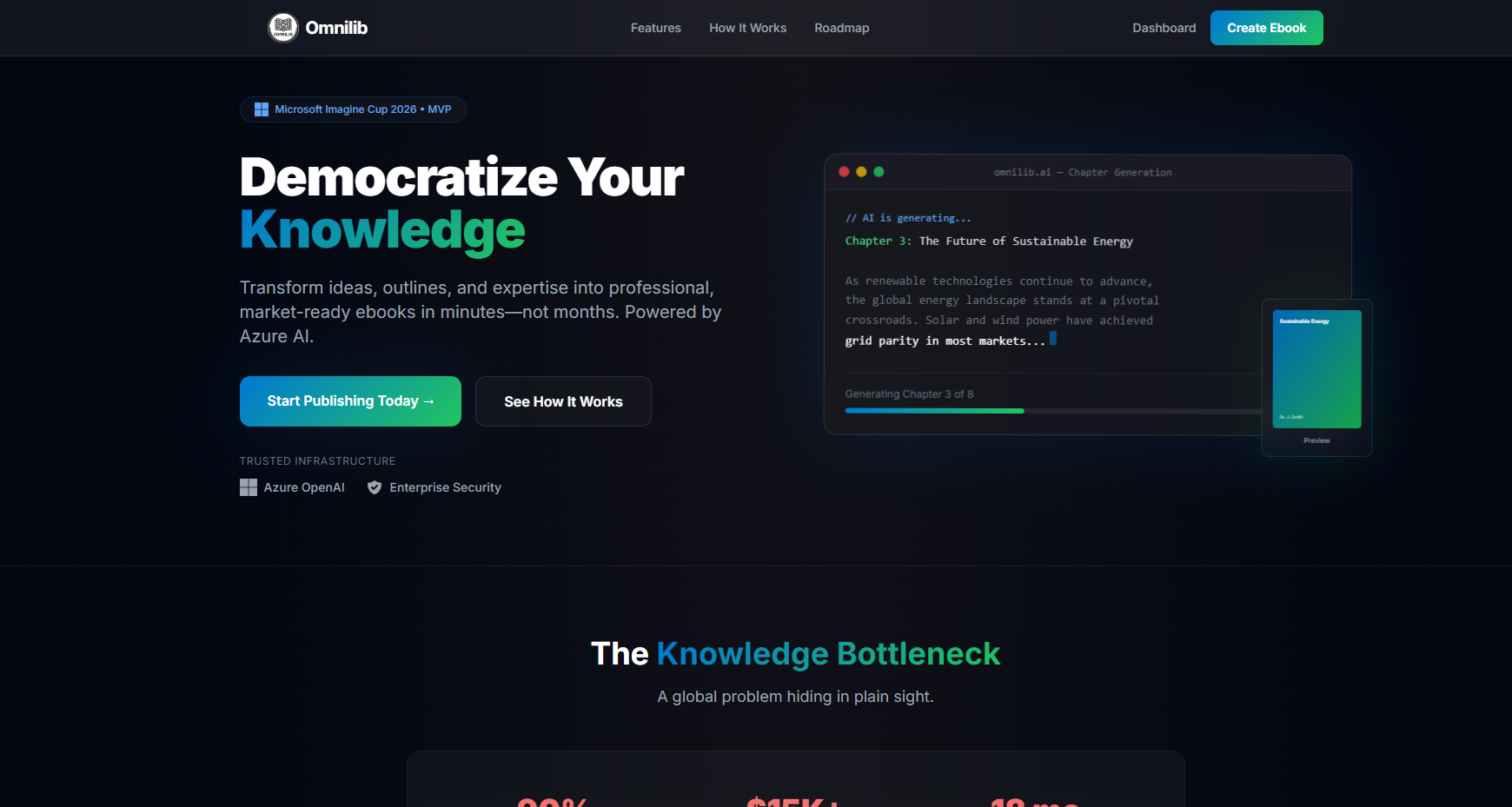
The early idea was simple: turn knowledge, outlines, and expertise into professional ebooks faster than traditional publishing.
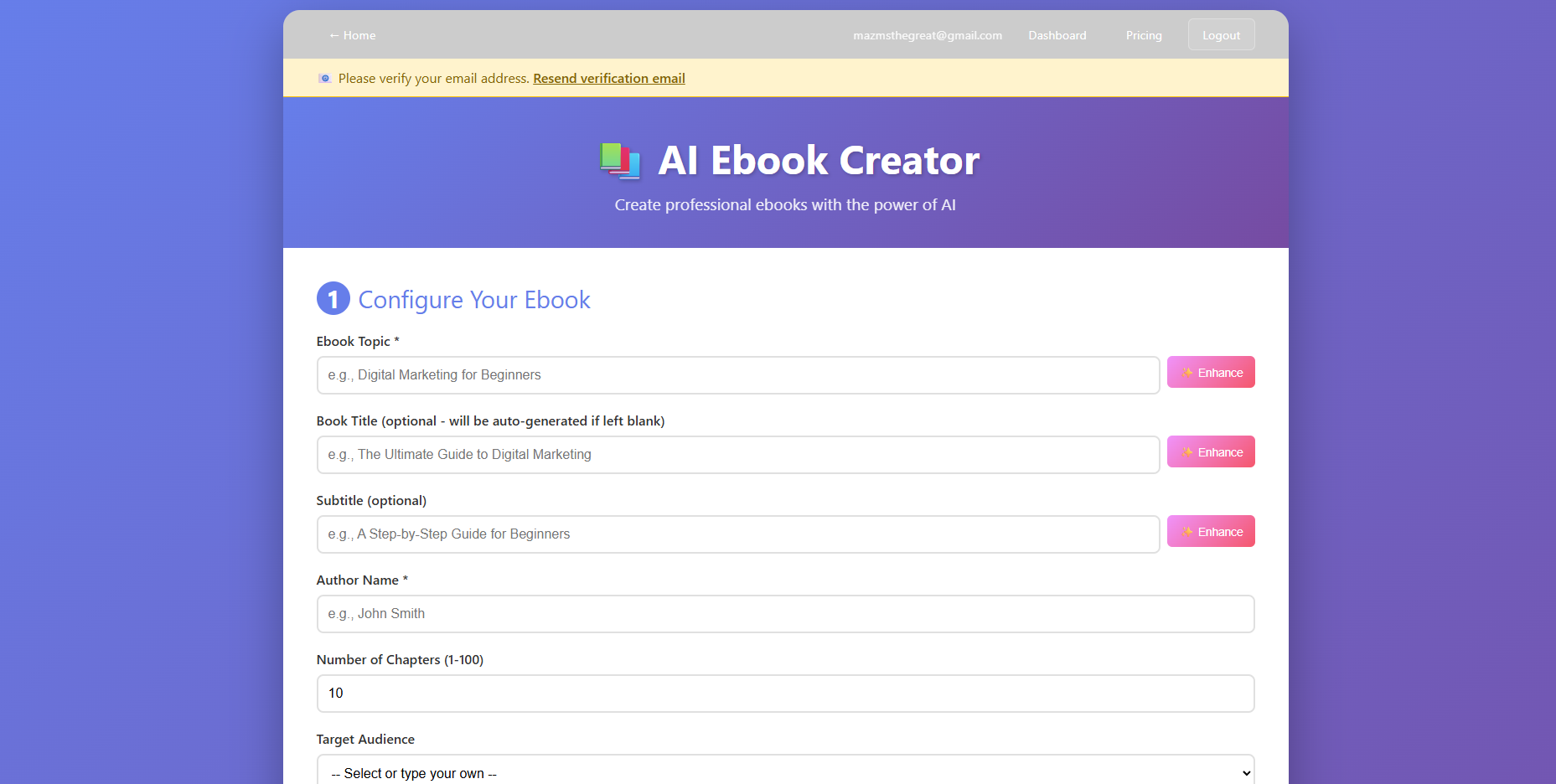
The first product asked for topic, title, subtitle, author, chapters, and audience before generating a book.
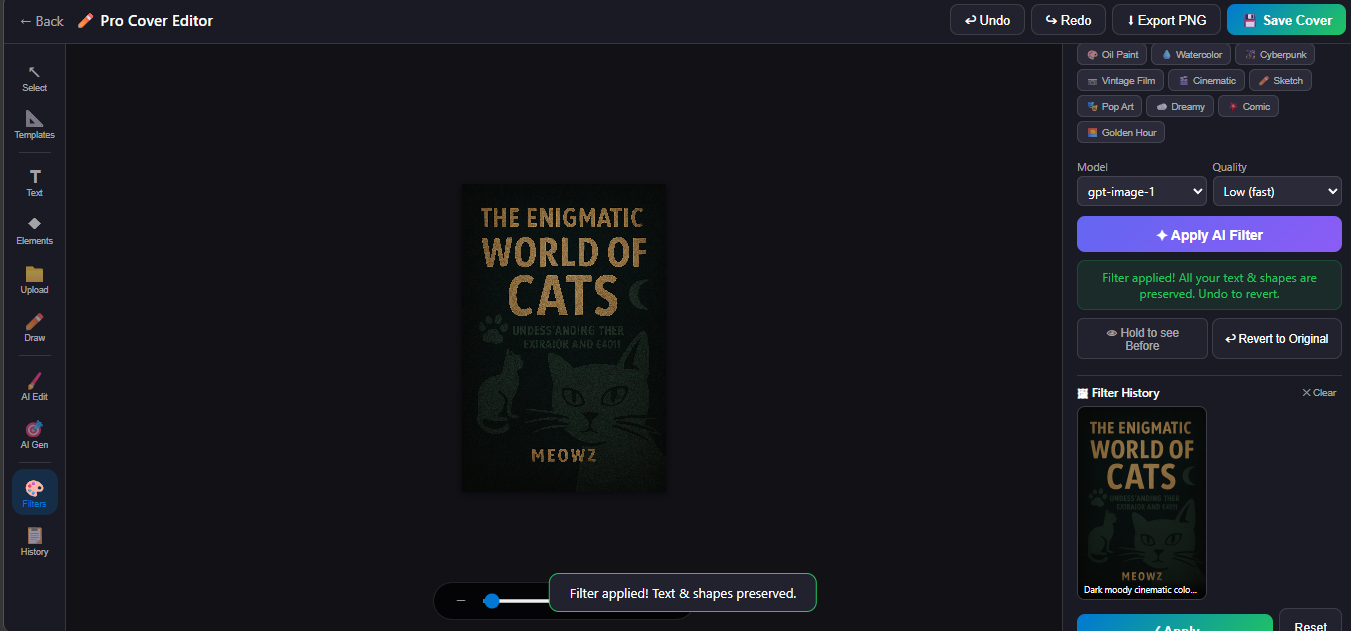
Cover editing, AI filters, and export tools pointed toward a broader creative workspace, not just one output type.
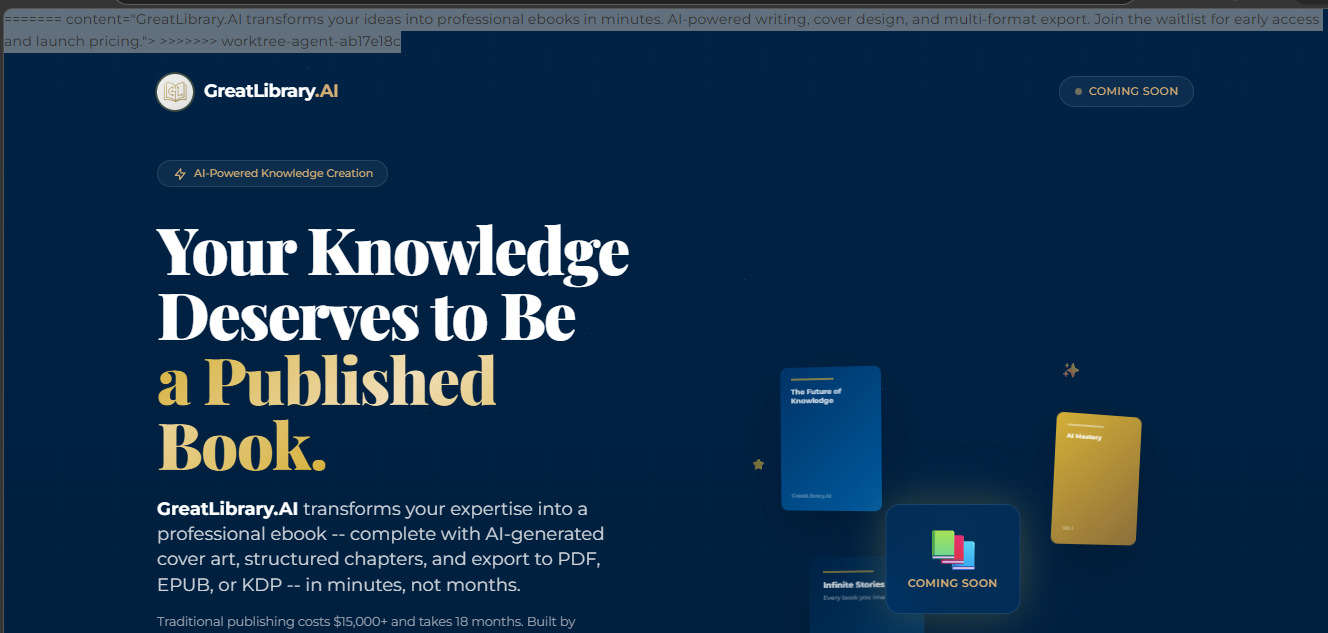
GreatLibrary.ai became the place to generate books, covers, chapters, and exports with AI.
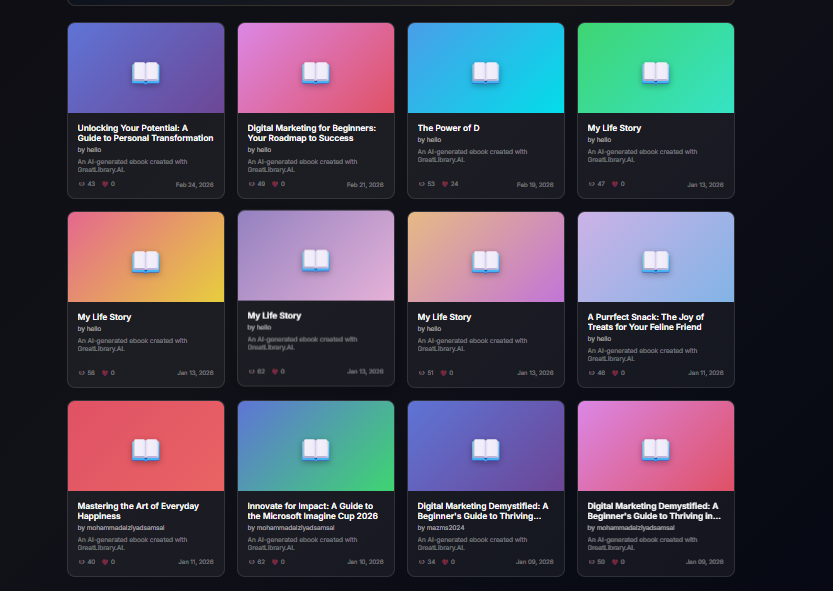
Generated ebooks could be browsed, but browsing static books did not yet create the repeat habit the product needed.
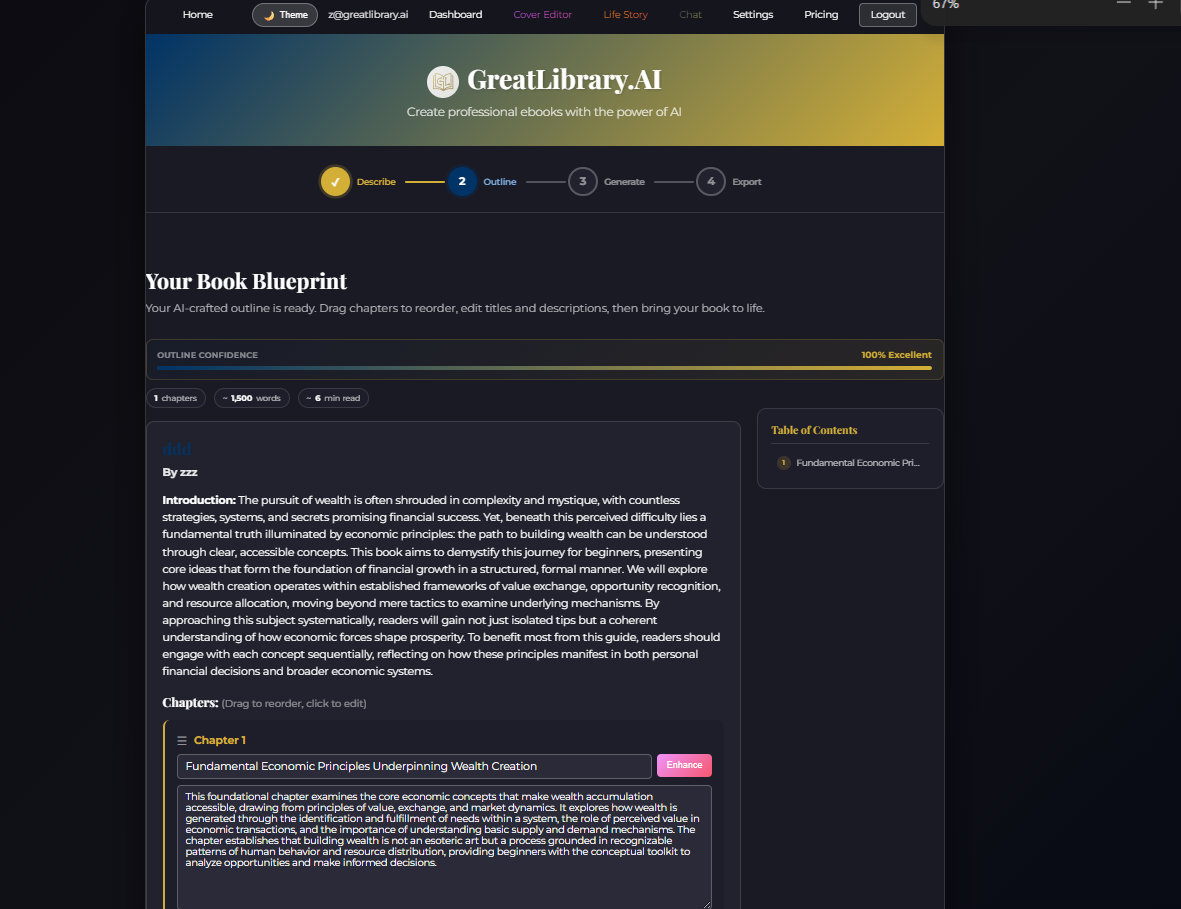
Describe, outline, generate, export. That taught the current Studio how to stream generation and keep creators in control.
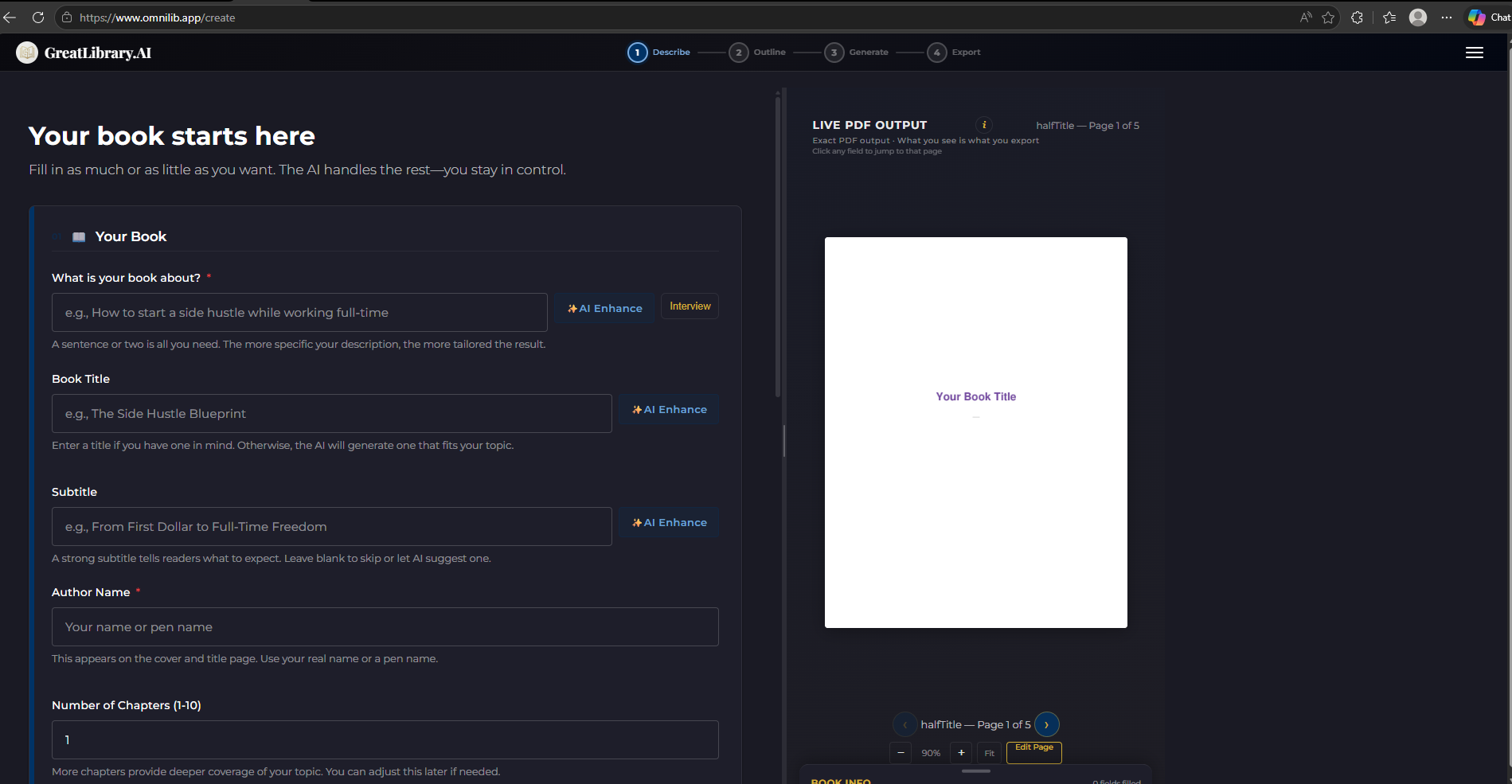
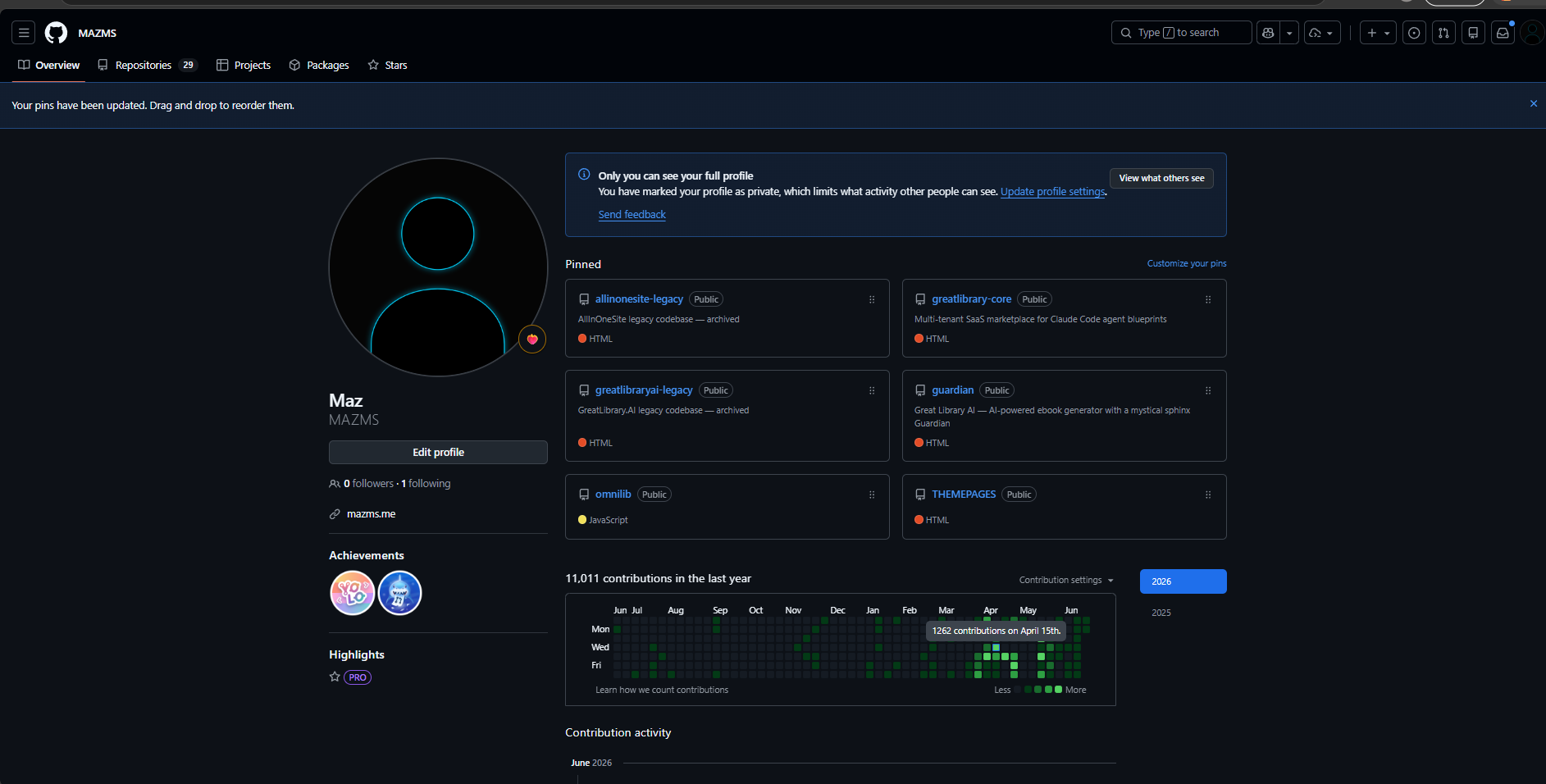
The ebook work continued at Omnilib while GreatLibrary kept searching for a faster creative loop.
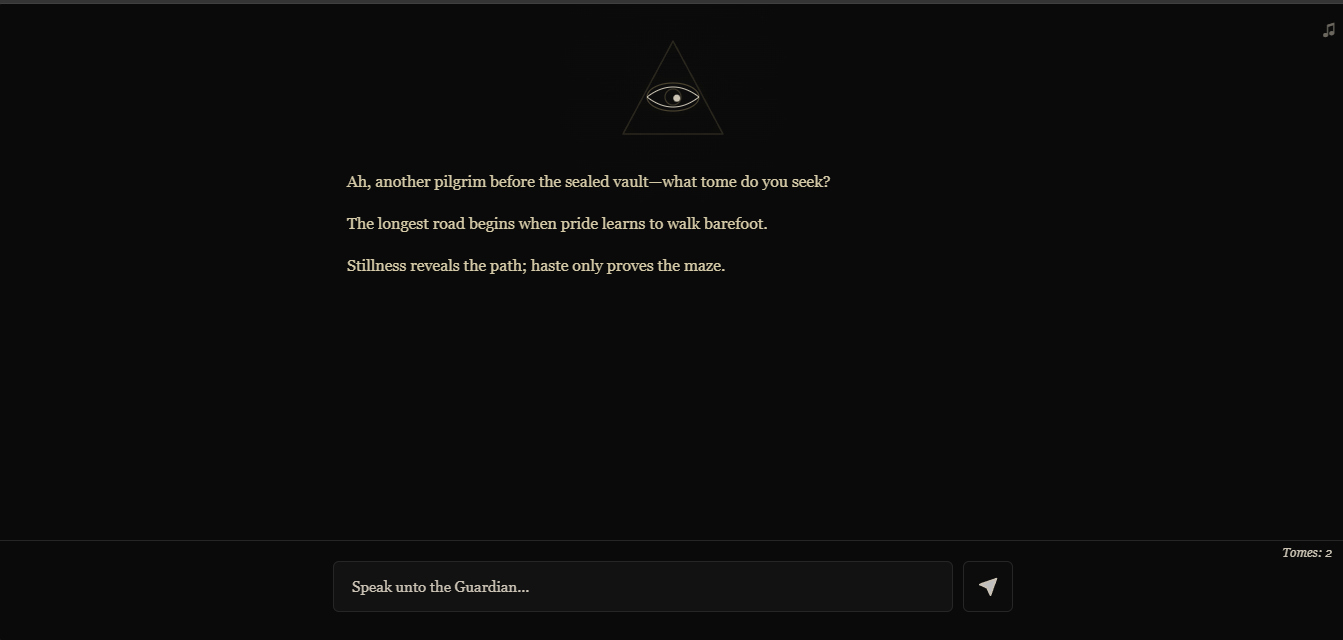
Guardian-style projects explored identity, conversation, mystery, and emotional tone before the current direction became the focus.
Omnilib, Guardian, legacy GreatLibrary, and the current all-in-one site show the path from experiments to the social software feed.

Keph tested a focused personal question interface, carrying the Guardian mood into its own lightweight product.
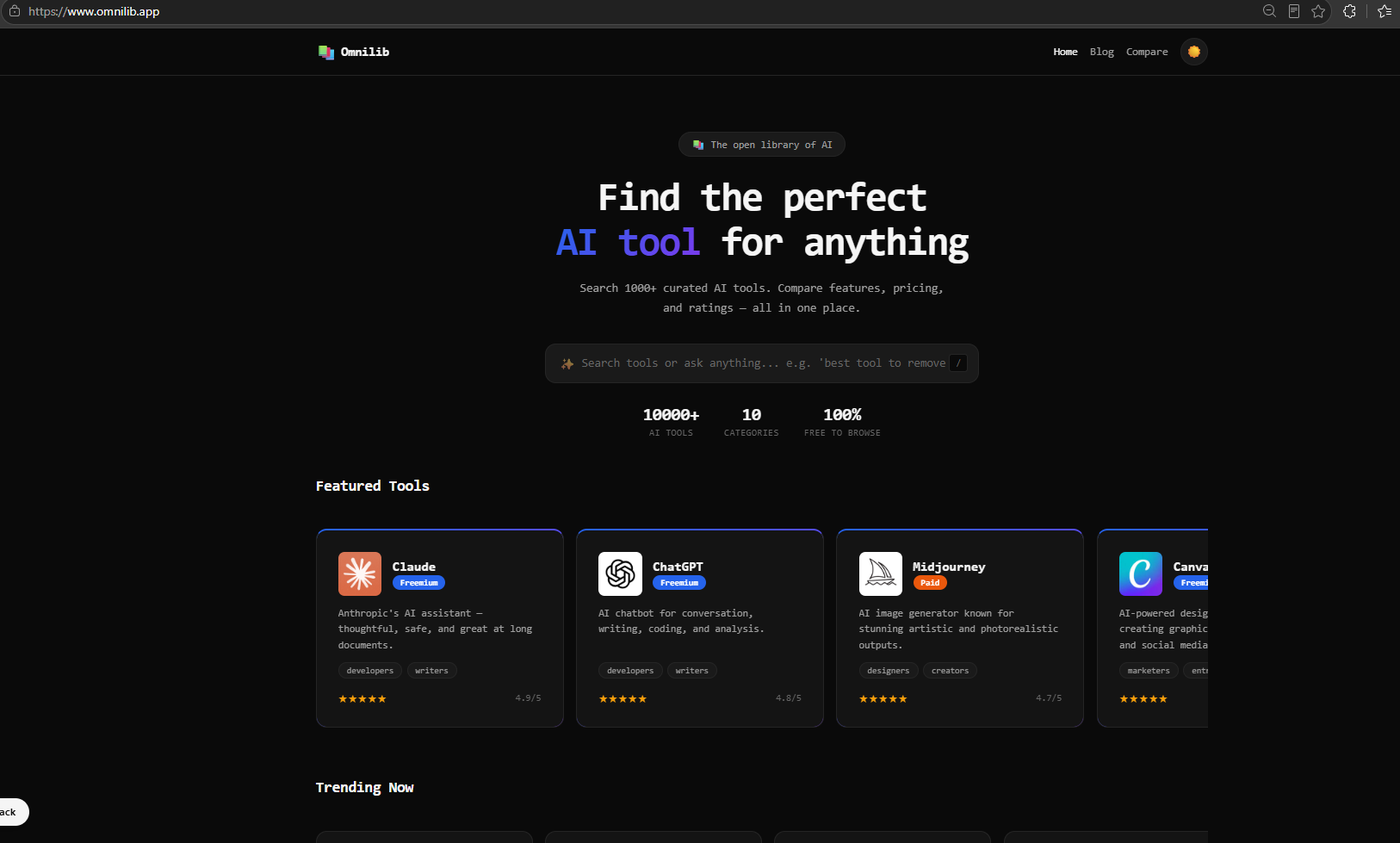
The ebook branch evolved into an AI tools directory, showing how separate experiments became separate sites.
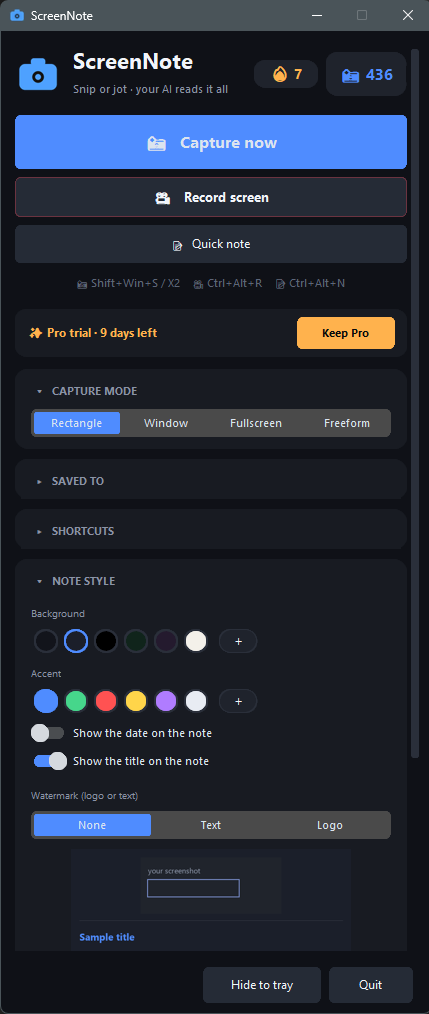
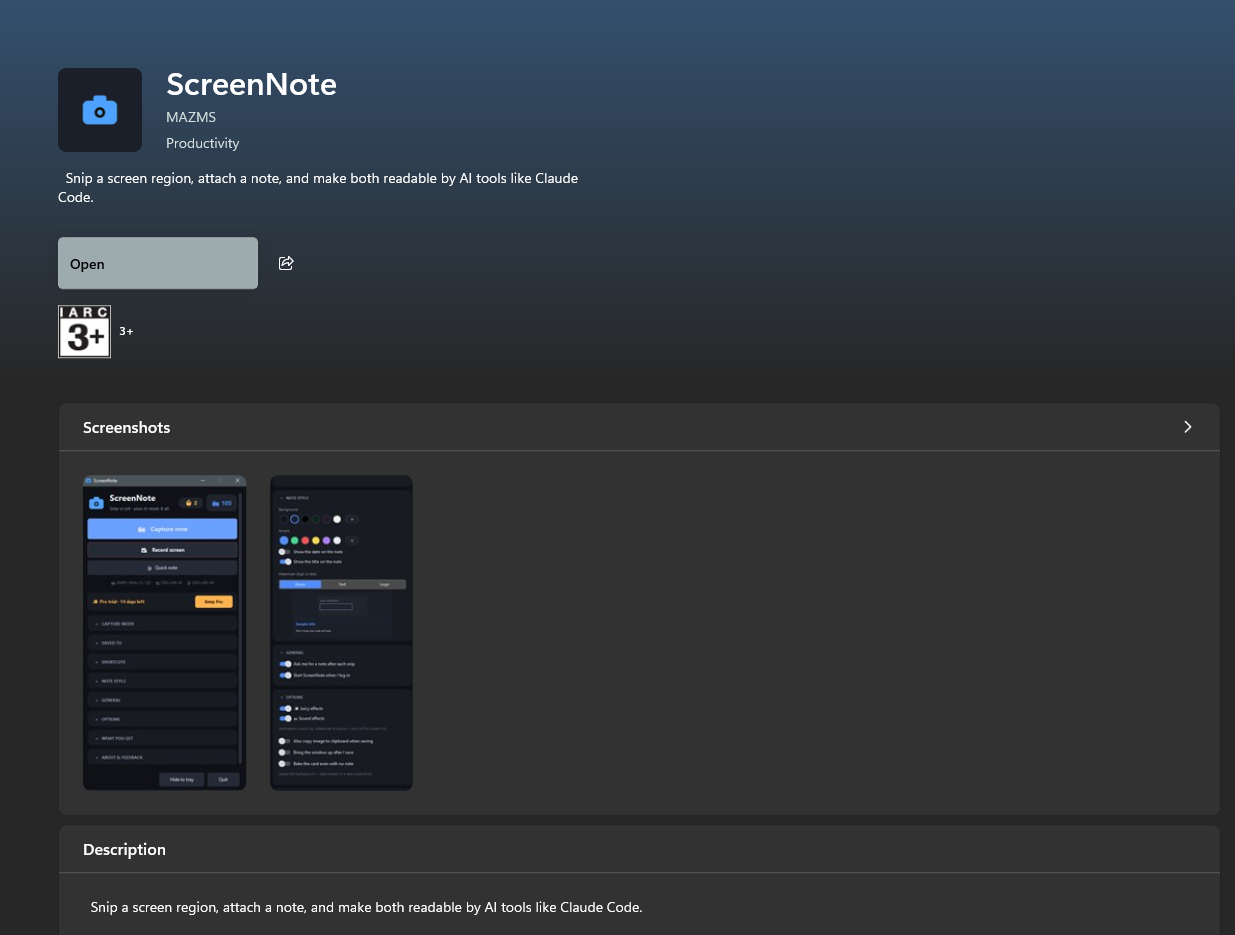
ScreenNote is an internal app I created to make my development easier and faster. It is available in the Microsoft Store.
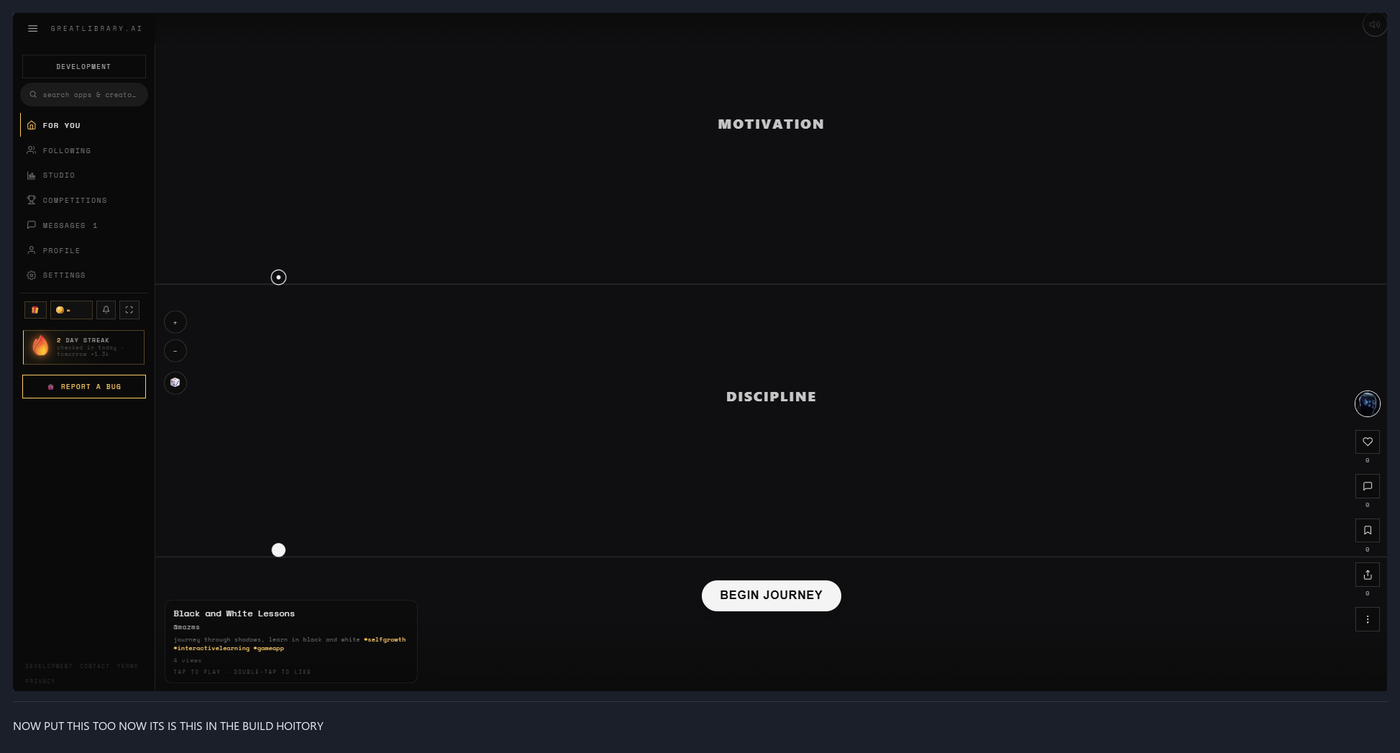
GreatLibrary is now an early, rough experiment — building in public toward an AI agent that takes an order and does the work: builds it, ships it, runs it, while you step back.
showing the first product steps. expand for side branches and the current feed. click any card to inspect it.
No imaginary round here. The pivot to autonomous agents is carried by founder allowance/savings, paid domains and tools, and every legitimate AI/cloud credit the founder can qualify for while the product earns real usage. Receipts below.
greatlibrary.ai is secured through 2028, and the founder has paid for workspace, AI tools, provider invoices, and launch operations out of pocket.
Azure, Google Cloud / GenAI, OpenAI, Codex promotional credits, GitHub Education, and similar programs reduce burn while the MVP is still being proven.
The next ask is practical: provider startup credits, accelerator access, technical intros, product feedback, and early angels who understand AI infrastructure.
Core receipts first. Expand for the full set — domains, cloud, AI credits, education, and invoices. Real money, real bills.
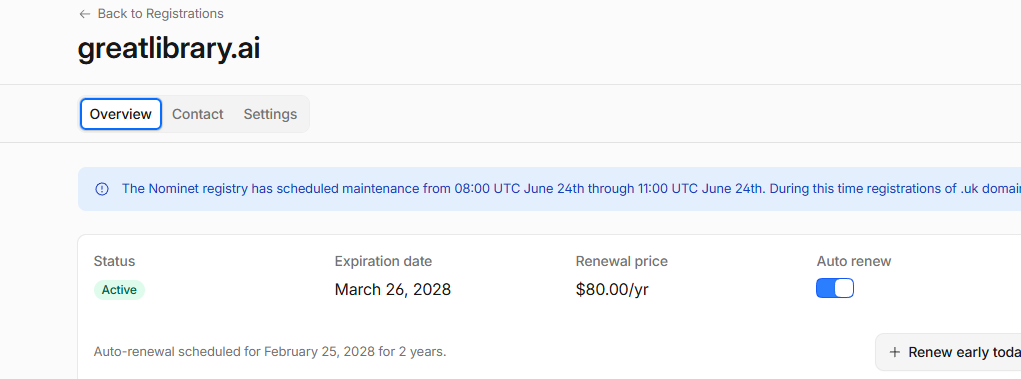
greatlibrary.ai is secured as a real domain, not a throwaway demo link.
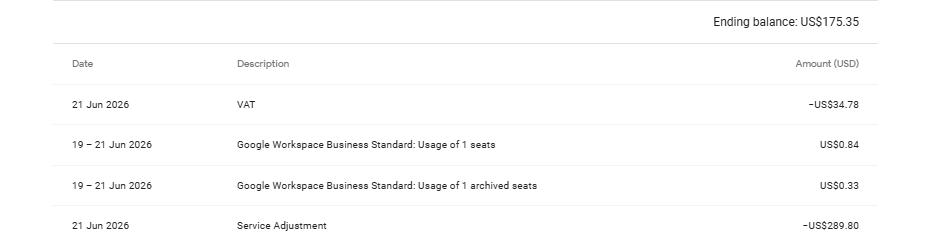
Public crop of billing rows showing real operating costs without exposing card/payment details.
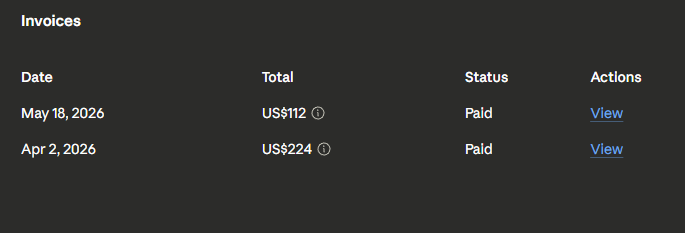
Claude/API/tool spend is part of the founder-funded MVP runway.
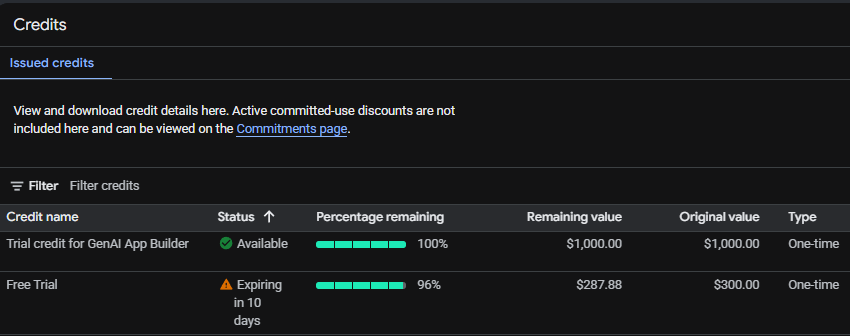
GenAI/App Builder and trial credits help keep experimentation alive while usage is small.
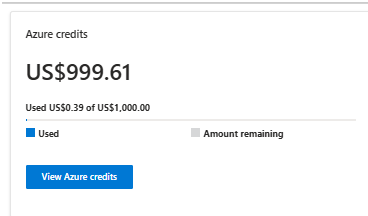
Microsoft/Azure startup and student benefits add infrastructure runway.
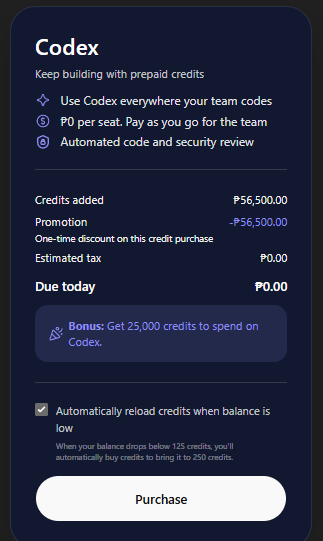
Promotional developer credits are being converted into product velocity.
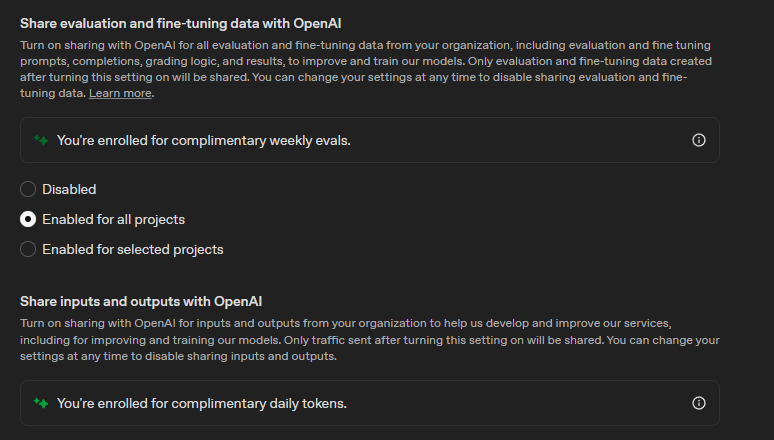
Free evals and tokens reduce the cost of testing model quality.
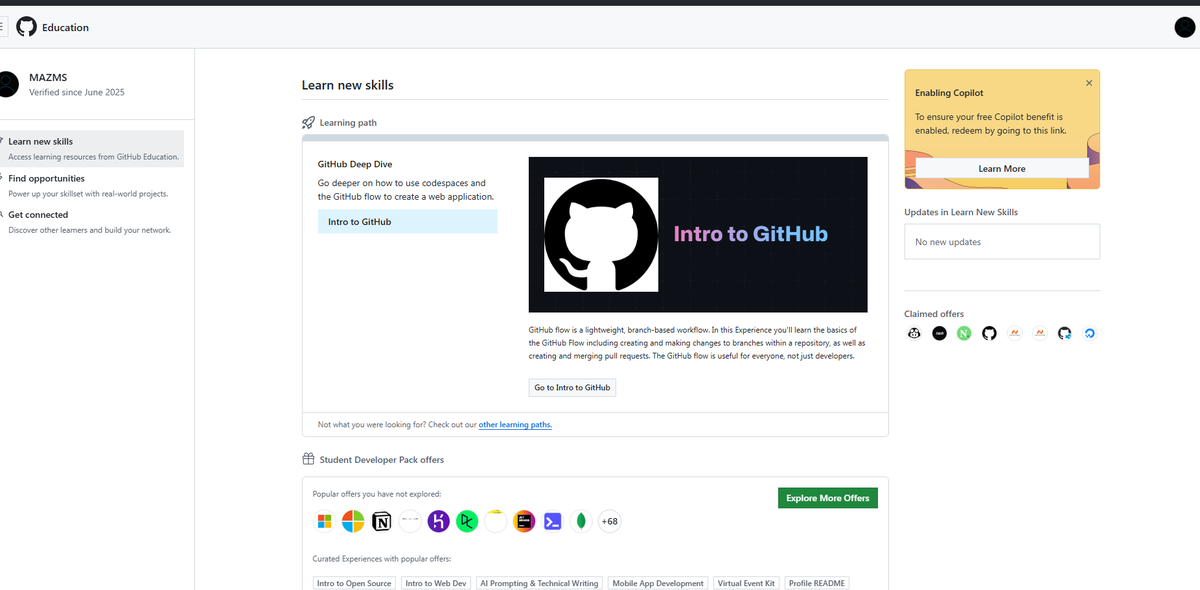
Student pack offers are part of the scrappy stack: credits, tools, and learning access.

The MVP is built from many practical, paid steps, not one clean fundraising moment.
showing core proof. expand for credits, invoices, and student/startup benefit screenshots.
Right now it's founder-funded MVP work. Outside support only makes sense when it buys reliability, agent infrastructure, better model quality, faster testing, and runway to prove the loop — that creators return, publish, remix, and let agents run the work.
Phase: MVP.
Founder allowance/savings, paid tools, domain renewals, workspace bills, and provider credits keep the product moving.
Goal: keep shipping until the loop is useful enough to return to daily.
Now/next: MVP -> Pre-Alpha.
Google, Microsoft, OpenAI, Anthropic, AWS/Amazon, GitHub Education, and startup programs are useful because they extend build time without forcing a fake raise.
Goal: reduce AI/API burn while the product proves usage.
Best fit: Pre-Alpha -> Closed Beta.
Useful if they bring mentorship, infra intros, startup vetting, launch support, and small checks from people who understand AI product risk.
Goal: make generated apps stable, mobile-ready, and cheaper to run.
Only if: the loop is real.
Seed money only makes sense after real retention, creation volume, remix behavior, and model cost data are visible.
Goal: hire help, scale infrastructure, and make generated software feel as shareable as short video.
GreatLibrary.ai is an early-stage experiment in building an AI that does the work for you — you give the order, it builds, ships, and runs it. Right now it's exactly that: an experiment, and full of experiments — rough, far from mature, and changing by the day. We're testing our way toward the real thing: autonomous agents that build, post, run storefronts, and work toward real revenue while you step away. We've barely scratched what GreatLibrary.ai will become. The audience: creators, indie founders, developers, and anyone who would rather direct an AI than grind the busywork themselves.
Mazms (Solo Founder). A multidisciplinary builder with practical experience spanning software engineering, content creation, 3D printing and modeling, e-commerce, and digital publishing. Mazms handles all aspects of GreatLibrary.ai's architecture, design, and product vision.
Under the hood is an LLM-driven generation engine; on top of it we're wiring autonomous agents — an AI that takes an order and delivers a real outcome. Nothing here is mature yet: it's pre-AGI, deeply experimental, and changing fast. This is the early, rough, build-in-public phase before it ships — a working lab, not a finished product — and that's the point. It's live and used by early testers; it's only the beginning.
GreatLibrary.ai is in MVP development and pivoting toward autonomous AI agents. Sign in to see the vision, join the community, and message the founder — and you're first in line when the engine that runs your work ships.
Funding notes are informational and conversation-oriented, not a public securities offering.